Why Coinbase Built Base: The Vision Behind Onchain Finance

Blockchain technology has the potential to transform how people send money, access financial services, exchange assets, and interact with digital applications. However, turning that potential into everyday utility requires more than innovative technology. It requires infrastructure that is affordable, scalable, secure, and accessible to ordinary users.
This is the challenge that Coinbase sought to address when it introduced Base, an Ethereum Layer 2 blockchain designed to make building and using onchain applications easier.
For years, cryptocurrency adoption has been closely associated with buying, selling, and trading digital assets. While these activities helped introduce millions of people to blockchain technology, the broader opportunity extends beyond financial speculation. Payments, stablecoins, decentralized applications, tokenized assets, and digital commerce could all benefit from more accessible blockchain infrastructure.
Why Coinbase Built Base is therefore a question about more than the launch of another blockchain network. It is about Coinbase’s strategy to help expand the onchain economy by improving the infrastructure that developers, businesses, and users depend on.
In this guide, we explore the challenges Base was designed to address, why Coinbase chose Ethereum, how Layer 2 technology works, and what the network could mean for the future of onchain finance.
Educational disclaimer: This article is for informational and educational purposes only. It does not constitute financial, investment, legal, regulatory, or tax advice. Blockchain networks and digital assets involve risks, including financial loss, technical failures, scams, and regulatory uncertainty. Always conduct independent research and verify information through official sources before making decisions.
Key Takeaways
- Coinbase introduced Base to make onchain applications easier and more affordable to build and use.
- Base is an Ethereum Layer 2 network built using the OP Stack in collaboration with Optimism.
- The network is designed to improve transaction efficiency while remaining connected to Ethereum.
- Coinbase’s strategy extends beyond cryptocurrency trading to payments, stablecoins, decentralized applications, and financial infrastructure.
- Developers and businesses are important to Base’s long-term growth because useful applications can create demand for blockchain infrastructure.
- Base’s success is not guaranteed. Security, decentralization, competition, regulation, and user experience remain important considerations.
Before Base, Blockchain Had a Bigger Problem
To understand the motivation behind Base, it is important to examine the challenges facing blockchain technology.
The industry has made significant progress in digital assets, smart contracts, decentralized finance, and peer-to-peer transactions. Yet technical innovation does not automatically translate into widespread adoption.
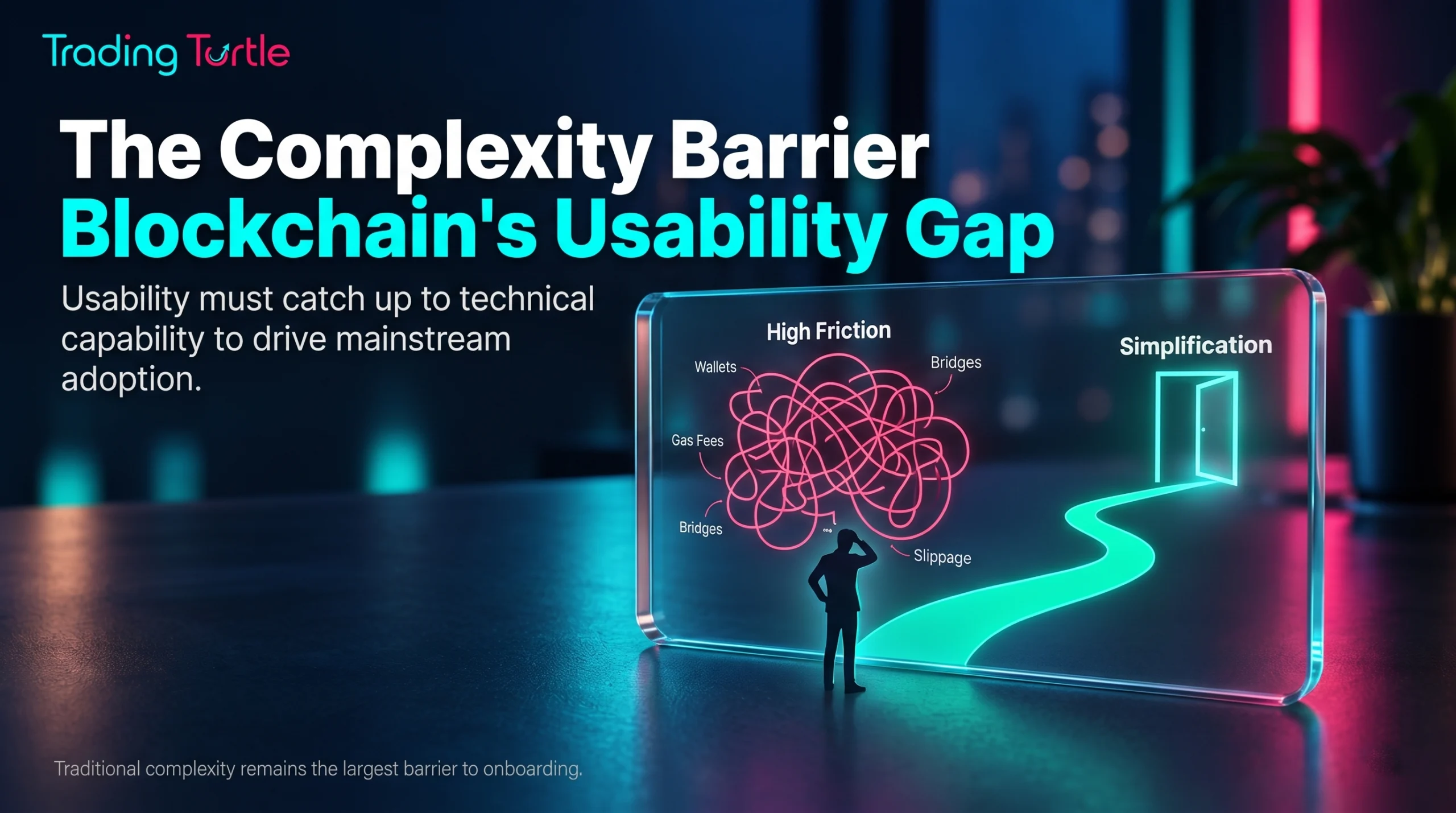
For many users, blockchain applications still introduce unfamiliar concepts, including wallets, private keys, gas fees, network selection, transaction confirmations, and smart-contract permissions.
These requirements can make even relatively simple activities feel complicated.
Consider someone who wants to send money to another person. Ideally, the process should be straightforward: choose a recipient, enter an amount, confirm the transaction, and receive confirmation that the payment has arrived.
On some blockchain applications, however, the user may also need to understand which network to use, whether they have enough of the network’s gas token, and whether the receiving application supports the selected chain.
Each additional step creates friction.
Developers face a different but related challenge. They must build applications that balance transaction costs, performance, security, and usability while navigating a rapidly evolving technical environment.
Coinbase had experience helping customers access cryptocurrency through its existing products. Its team identified an opportunity to make the next stage of blockchain adoption easier by investing in the infrastructure beneath those products.
Base emerged from this broader ambition.
Why Coinbase Believes Blockchain Must Move Beyond Trading
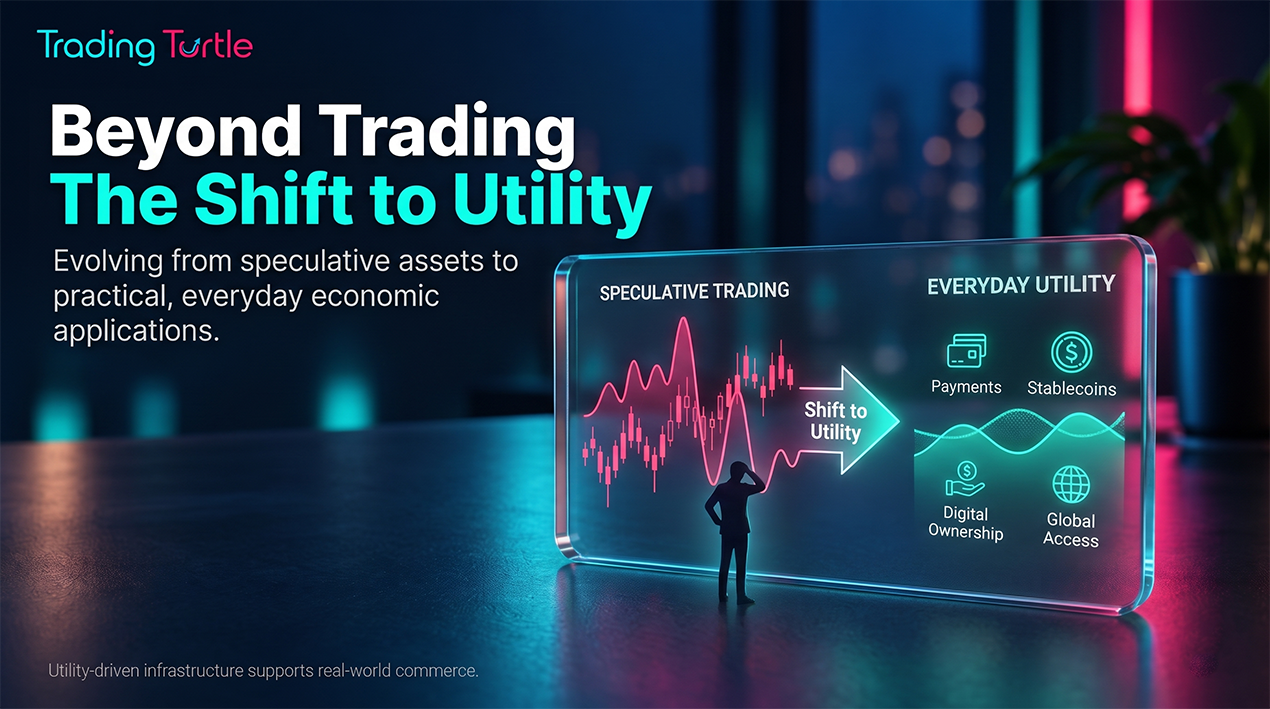
Cryptocurrency trading has played an important role in introducing people to digital assets. Exchanges helped make buying and selling crypto more accessible than it was during the industry’s early years.
However, trading represents only one possible use of blockchain technology.
A blockchain can also support programmable payments, digital ownership, decentralized exchanges, lending applications, online marketplaces, and other services that operate through smart contracts.
This distinction matters because infrastructure designed for everyday economic activity must satisfy different requirements from infrastructure used primarily for occasional asset transfers.
A useful financial application needs more than technical innovation. It needs predictable costs, reliable execution, understandable interfaces, and a clear benefit for its users.
For example, a business considering blockchain-based payments will want to understand settlement times, operational costs, compliance obligations, and integration requirements. A consumer will care about whether the payment works reliably and whether the process is easy to understand.
Coinbase’s broader strategy reflects the idea that blockchain adoption could expand if the underlying infrastructure becomes more practical.
Base is one part of that effort: an environment where developers can build applications that use blockchain technology without requiring every user to become a blockchain expert.
Why Coinbase Chose to Build a Blockchain Network
Coinbase could have continued concentrating exclusively on exchange features and other centralized products. Instead, it invested in a network designed to support applications built by Coinbase and independent developers.
The reasoning is strategic.
When a company operates only an application, its opportunities are partly limited by the functionality of that product. When it also supports the infrastructure on which other applications can operate, it can participate in a wider ecosystem.
The internet provides a useful comparison. A website can deliver a particular service, but internet infrastructure allows millions of independent services to exist and communicate.
Similarly, Base is intended to support an ecosystem of applications rather than function solely as a destination for Coinbase customers.
Coinbase’s original announcement described Base as both a home for its onchain products and an open ecosystem for developers. The company also highlighted its goal of making decentralized applications easier, cheaper, and safer to use.
Read the official Coinbase announcement introducing Base for the original explanation of the network’s design and purpose.
This approach offers potential strategic advantages. A larger ecosystem of useful applications could increase demand for blockchain infrastructure, encourage developer participation, and expand the ways people interact with digital assets.
However, building a network does not guarantee adoption. Base must still attract developers, support reliable applications, and offer compelling experiences to users.
What Is Base? Understanding Ethereum Layer 2
Base is an Ethereum Layer 2 network developed within Coinbase and built using the OP Stack in collaboration with Optimism.
To understand its purpose, it helps to distinguish between Ethereum and a Layer 2 network.
What is Ethereum?
Ethereum is a blockchain that supports digital assets and programmable applications through smart contracts. It provides the underlying environment in which transactions are recorded and applications operate.
Ethereum’s security and established developer ecosystem have made it an important foundation for decentralized finance and other blockchain applications.
However, demand for block space can create congestion and higher transaction costs. These limitations can make certain applications less practical, particularly when users need to perform many small transactions.
What is a Layer 2 blockchain?
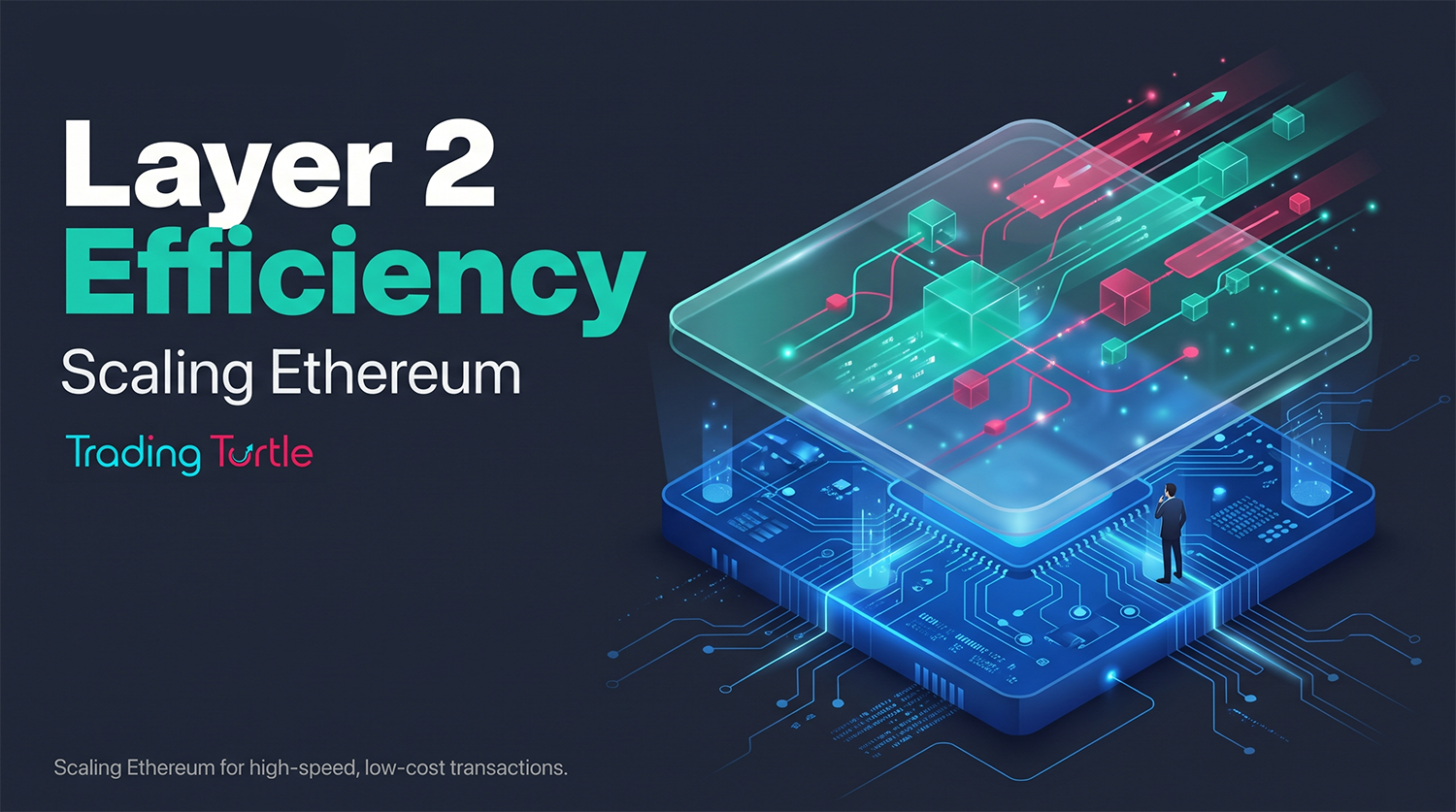
A Layer 2 network operates on top of an underlying blockchain, using additional infrastructure to improve transaction processing and efficiency.
Base is designed to process activity more efficiently while using Ethereum as its underlying settlement and security foundation.
In simplified terms:
- Ethereum Layer 1: Provides the underlying blockchain infrastructure and settlement foundation.
- Base Layer 2: Helps process transactions more efficiently and supports applications that benefit from lower transaction costs.
- Applications: Provide the products and services that people actually use.
This arrangement allows Base to benefit from Ethereum’s ecosystem without requiring every application interaction to take place directly on Ethereum mainnet.
Layer 2 networks are not identical, however. Their security properties, transaction mechanisms, upgrade controls, and decentralization arrangements can differ. Users and developers should evaluate the specific design and risks of each network.
For technical information, visit the official Base website.
Why Coinbase Built Base on Ethereum
Coinbase had several possible infrastructure strategies. It could have created an independent Layer 1 blockchain, operated a more closed ecosystem, or concentrated on applications built on existing networks.
Instead, it chose to develop Base within Ethereum’s ecosystem.
This decision offers several advantages.
Established developer infrastructure
Ethereum already has widely used smart-contract standards, development frameworks, wallets, testing tools, and educational resources.
By building within this ecosystem, Base can benefit from existing technical knowledge and tools rather than asking developers to learn an entirely unrelated environment.
Compatibility with familiar applications
Base’s Ethereum Virtual Machine compatibility makes it easier for many developers to adapt existing Ethereum-based applications and development workflows.
Compatibility does not eliminate the need for testing, security reviews, or network-specific adjustments, but it can lower some barriers to development.
Connections to a broader ecosystem
Ethereum has an established community of developers, users, applications, and infrastructure providers.
Base can build on those relationships while giving applications another environment in which to operate.
Alignment with Ethereum’s growth
Coinbase has presented Base as a network intended to work alongside Ethereum rather than replace it.
This relationship is central to understanding the project. Base is not designed to make Ethereum irrelevant; it aims to extend the ecosystem’s capacity to support onchain activity.
Lower Transaction Costs and Better User Experiences
One of the major motivations behind Layer 2 networks is reducing the cost and friction associated with blockchain transactions.
Transaction fees matter because they influence which applications are economically practical.
If a user wants to make a small payment, a transaction fee that represents a significant proportion of the payment can make the experience unattractive. Likewise, applications involving frequent interactions may become difficult to use when transaction costs are unpredictable.
More efficient infrastructure can make new types of applications possible.
Examples include:
- Small-value digital payments.
- Blockchain-based games and interactive applications.
- Creator platforms with digital rewards.
- Onchain trading and financial services.
- Applications that require frequent smart-contract interactions.
Lower fees do not automatically make an application successful. Its usefulness, interface, reliability, and security remain important.
Similarly, transaction costs can vary with network conditions and application design. Users should not assume that every transaction will always be free or inexpensive.
The broader objective is to give developers more flexibility to build products that would be difficult to deliver on more expensive infrastructure.
Why User Experience Matters as Much as Technology
A blockchain can offer impressive technical capabilities and still struggle to attract mainstream users.
Most people do not choose a payment service because they understand its underlying architecture. They choose it because it solves a problem conveniently and reliably.
The same principle applies to blockchain applications.
For broader adoption, developers need to reduce the complexity users encounter when connecting wallets, funding accounts, paying transaction fees, and approving smart-contract interactions.
Coinbase’s experience introducing customers to cryptocurrency gives it a perspective on these onboarding challenges.
Base can provide infrastructure that supports better experiences, but developers must still design those experiences carefully.
Important improvements may include simpler wallet interactions, clearer transaction confirmations, more intuitive onboarding, and easier access to applications.
Security must remain part of this process. Simplifying an interface should not mean hiding important information about transaction approvals, asset transfers, or smart-contract permissions.
The most effective blockchain products will be those that combine accessible design with transparent risks and dependable functionality.
Payments: A Practical Use Case for Base
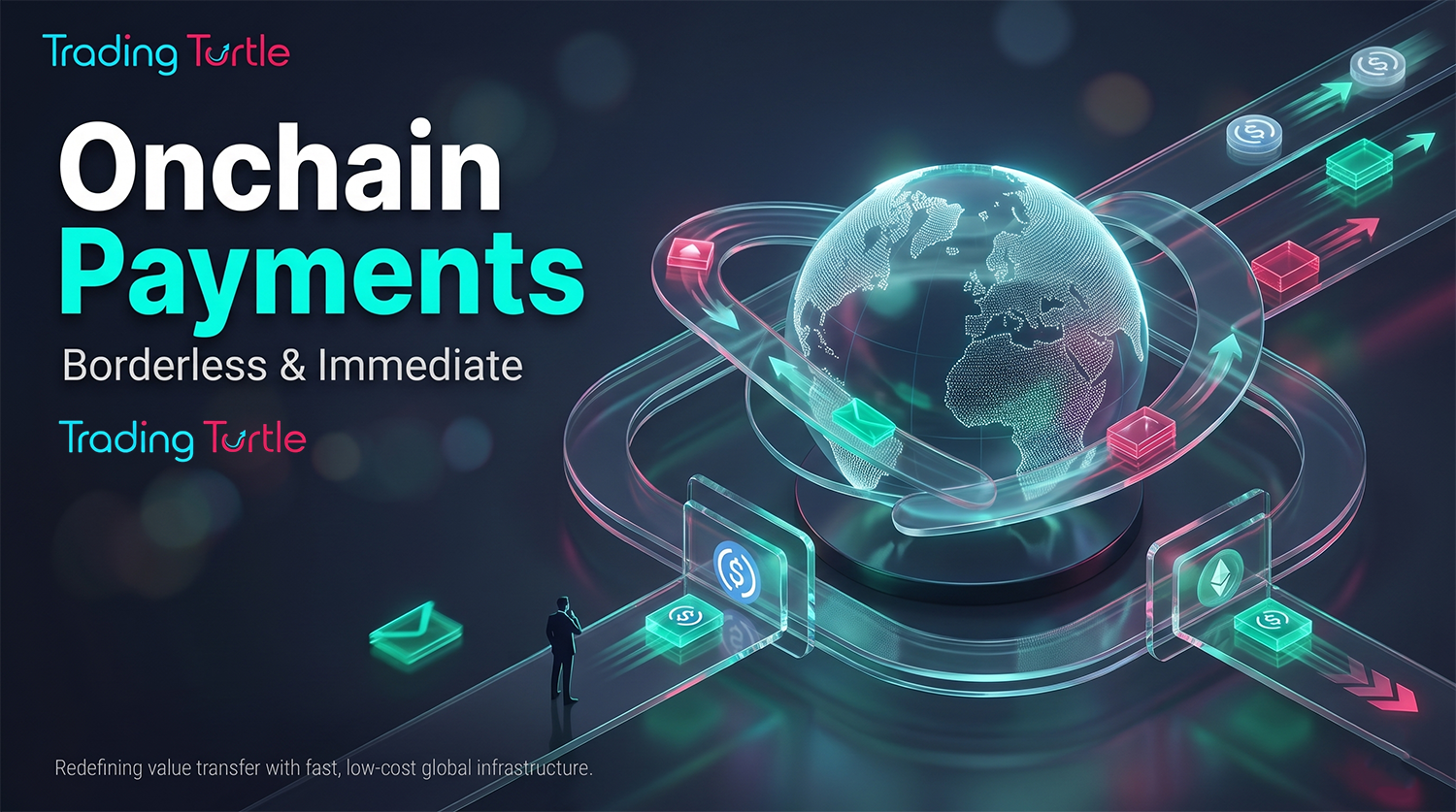
Payments offer one of the clearest examples of how blockchain infrastructure could move beyond speculation.
Individuals send money to family members. Businesses pay suppliers. Online services collect payments. Organizations move funds between countries and time zones.
Traditional payment systems already handle enormous amounts of economic activity, but some payment processes can involve intermediaries, limited operating windows, or delays in settlement.
Blockchain-based systems offer a different approach. Depending on the application and payment route, they may support transfers that operate around the clock and settle without relying on every traditional intermediary involved in a conventional transaction.
Base is designed to support applications that benefit from efficient, programmable transactions.
Potential use cases include:
- International transfers using supported digital assets.
- Online commerce and digital services.
- Payments between businesses.
- Programmable payouts for digital platforms.
- Applications that combine payments with other smart-contract functions.
These are opportunities, not guarantees. Actual costs, settlement arrangements, conversion rates, legal requirements, and access to local currencies depend on the services involved.
Blockchain transfers can also be difficult or impossible to reverse when sent incorrectly, and users may face risks from scams or compromised wallets.
The long-term opportunity is to make useful payment applications more accessible while addressing these practical concerns.
Stablecoins and the Future of Onchain Finance
Stablecoins are digital assets designed to maintain a relatively stable value against a reference asset, often a currency such as the US dollar.
They are important to blockchain infrastructure because they can support payments and financial applications without exposing every transaction to the same price fluctuations associated with assets such as Bitcoin or Ether.
Stablecoins can be used in several contexts:
- Transferring value between supported wallets.
- Trading against other digital assets.
- Participating in decentralized finance.
- Making certain international payments.
- Moving funds between applications that support the same stablecoin.
However, stablecoins are not risk-free. Their reliability depends on factors such as the issuer, reserve arrangements, redemption mechanisms, smart-contract design, and applicable regulation.
Base can provide infrastructure for applications that use stablecoins, potentially making frequent transfers and other onchain interactions more economical.
This is important because a stablecoin becomes more useful when people can access it through secure applications and move it efficiently between supported services.
The opportunity extends beyond holding a digital asset. It involves building financial services around that asset.
What Does Onchain Finance Mean?
Onchain finance refers to financial activities conducted through blockchain-based systems and smart contracts.
Rather than depending entirely on conventional financial infrastructure, some financial functions can be executed through programmable systems whose rules and transactions are recorded on a blockchain.
Examples include decentralized exchanges, lending protocols, digital asset transfers, and certain forms of tokenized ownership.
The concept does not necessarily imply that traditional banks, payment providers, or financial institutions will disappear. Blockchain-based services can coexist with existing systems and may depend on them for identity verification, fiat currency access, custody, compliance, or other functions.
The potential advantage lies in programmability and composability.
For example, a developer may build an application that combines a stablecoin payment with a smart-contract action. Another application may use blockchain-based assets as part of a trading or lending service.
These interactions can create new products, although they also introduce technical and financial risks.
Base’s broader significance lies in its potential to support this type of activity at greater scale.
The goal is not merely to make transactions faster. It is to make it practical for developers to build useful financial applications on shared infrastructure.
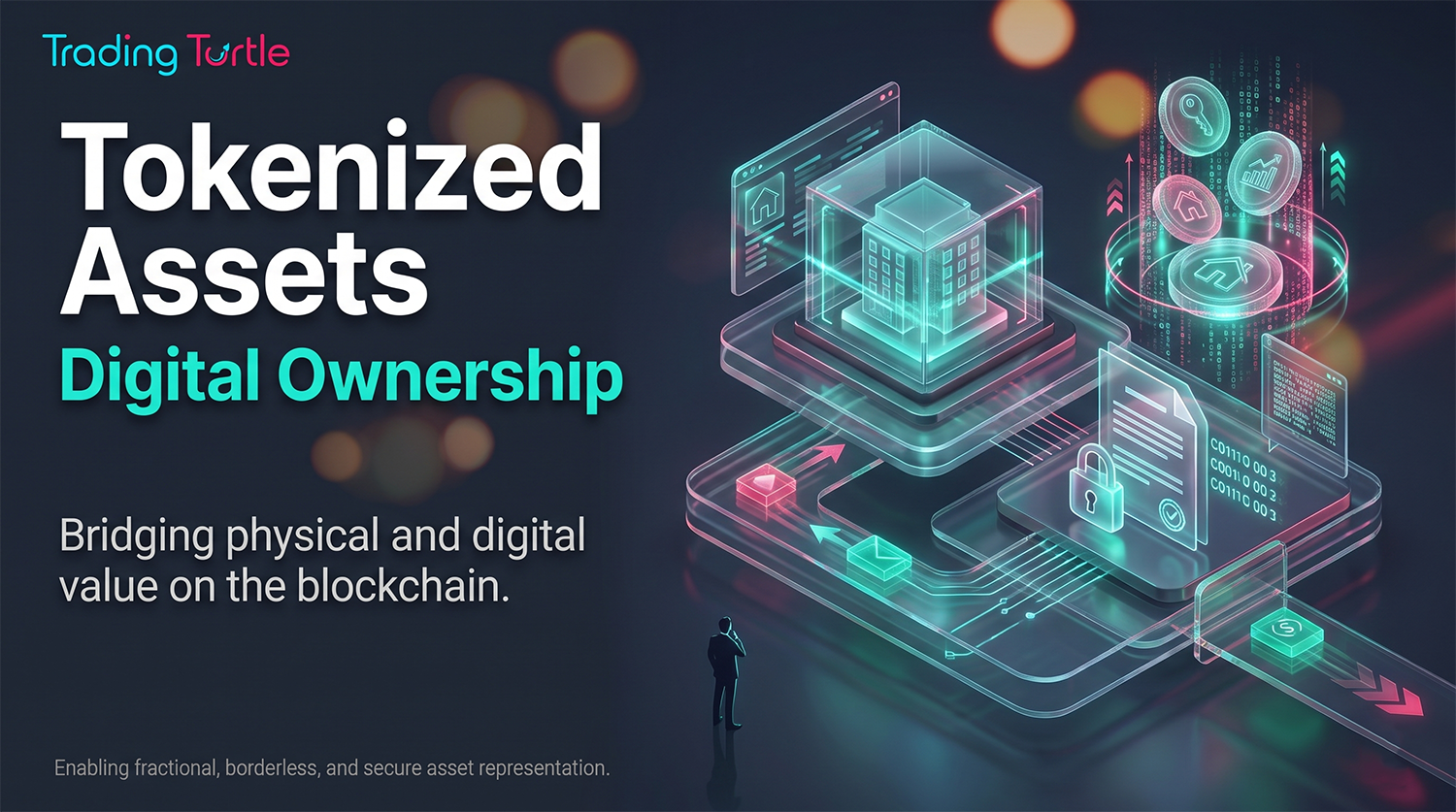
Tokenized Assets and Digital Ownership
Blockchain technology can represent certain rights or assets through digital tokens.
This process is commonly called tokenization.
Depending on the legal structure and implementation, tokenized assets may represent interests in financial products, digital collectibles, membership programs, or other forms of ownership and access.
Tokenization can potentially improve how assets are issued, transferred, tracked, or integrated with digital applications.
For example, a tokenized asset could interact with a smart contract that applies predefined rules to a transfer. A digital membership token might provide access to a service, while a financial application could use supported tokenized assets within its product.
However, a token does not automatically confer legal ownership of a real-world asset. The rights attached to it depend on the issuer, contractual arrangements, applicable law, and technical implementation.
Infrastructure such as Base may help developers experiment with these use cases by offering a blockchain environment for programmable transactions.
Whether tokenization becomes broadly useful will depend on real demand, sound legal structures, security, and the quality of the products built around it.
Why Developers and Businesses Matter to Base
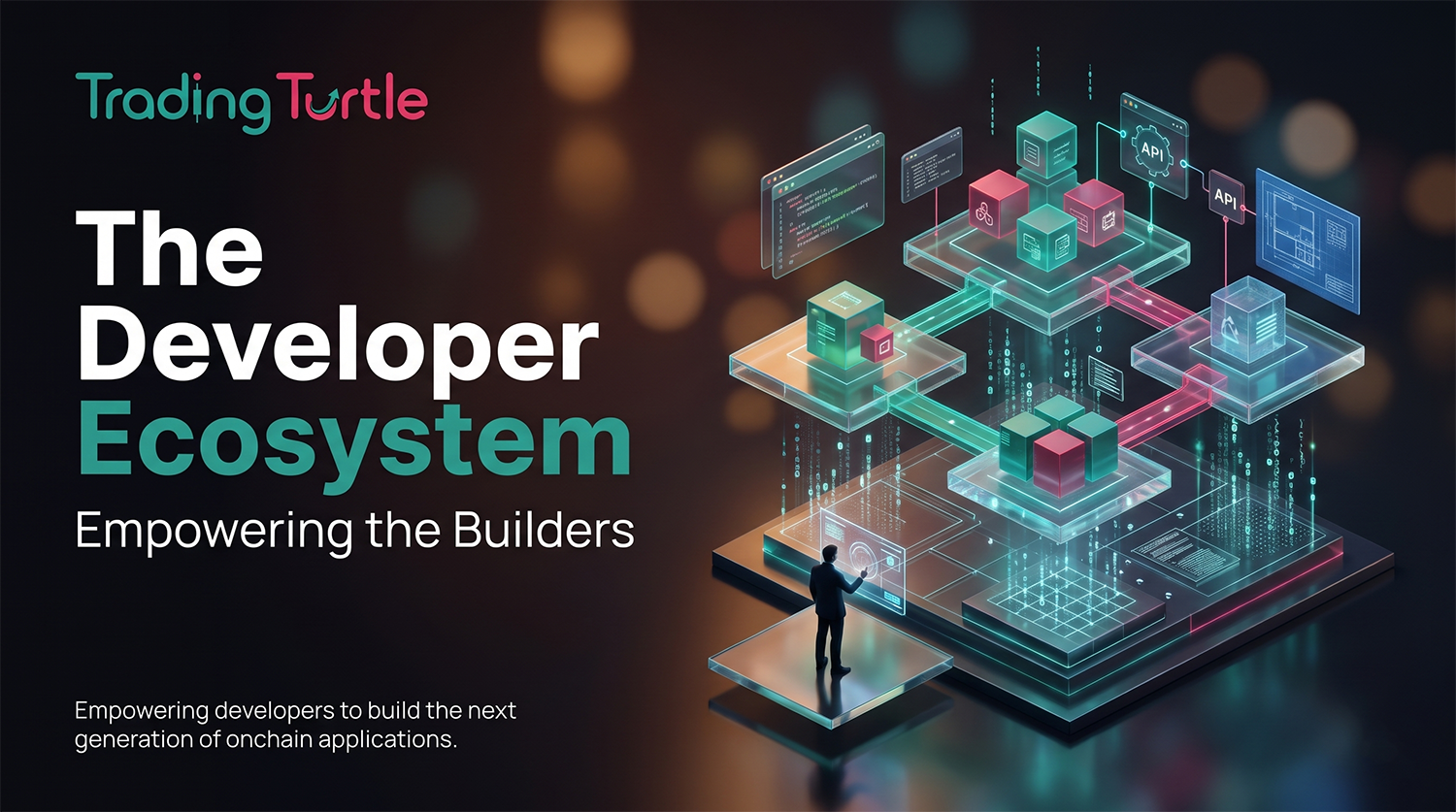
A blockchain network’s long-term value depends partly on what people build on it.
Developers create applications. Applications attract users when they solve real problems. Growing usage can then encourage more developers and businesses to participate.
This process is often described as a network effect, although it does not occur automatically.
Base’s compatibility with Ethereum development tools and its connection to Coinbase’s products may make the network attractive to certain builders.
Businesses may also explore blockchain infrastructure when it offers a practical advantage, such as improved transaction efficiency, programmable payments, or access to digital asset functionality.
Before adopting a blockchain, however, a business should evaluate:
- Security and operational reliability.
- Integration and maintenance costs.
- Legal and regulatory obligations.
- User accessibility and support requirements.
- Asset custody and recovery procedures.
- The availability of suitable applications and service providers.
Blockchain infrastructure should be selected because it meets a genuine business need, not simply because it is new.
For developers, the most sustainable opportunity is generally to build useful products rather than depend exclusively on short-term attention or speculative activity.
Does Base Have Its Own Token?
This question requires careful attention to the project’s changing position.
When Coinbase introduced Base in February 2023, it stated that it had no plans to issue a new network token. Base was initially presented as infrastructure for developers and onchain applications rather than a project centered on launching a separate cryptocurrency.
That position subsequently evolved.
In September 2025, the Base team announced that it was beginning to explore a network token. The announcement emphasized that the exploration was at an early stage and that no definitive plans had been shared regarding timing, design, or governance.
The stated rationale included the possibility of accelerating decentralization and creating additional opportunities for builders and creators.
You can read the official Base announcement on exploring a network token.
The important distinction is between exploring a token and confirming its launch. One does not establish the other.
Readers should consult current official Base announcements for any subsequent developments and avoid relying on unofficial token claims, unsolicited token distributions, or promises of guaranteed airdrops.
A possible network token is also separate from the original reason Coinbase built Base: creating infrastructure for onchain activity.
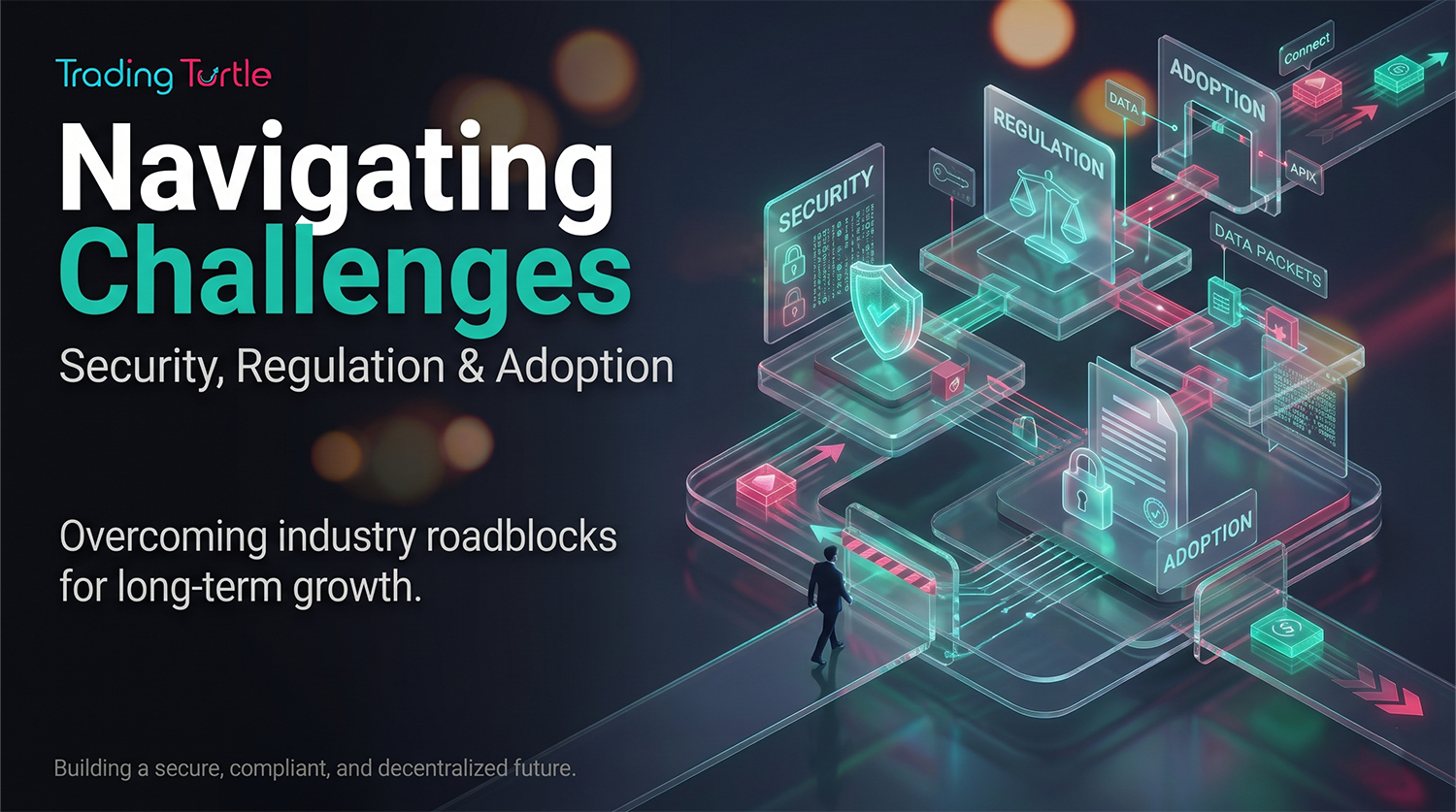
The Challenges Base Must Overcome
The opportunity surrounding blockchain infrastructure is significant, but several challenges remain.
Security
Smart-contract vulnerabilities, phishing, compromised wallets, malicious applications, and bridge-related risks can lead to financial losses.
A blockchain’s underlying security does not guarantee that every application operating on it is safe.
Decentralization
A network’s governance, upgrade mechanisms, infrastructure dependencies, and ability to operate without excessive reliance on a small group of entities all influence its decentralization.
These characteristics can evolve over time and should be evaluated using current technical documentation.
Competition
Base operates in a competitive environment that includes Ethereum and other Layer 2 networks, as well as alternative blockchain ecosystems.
Attracting developers and users requires more than competitive fees. Applications must offer meaningful value and reliable experiences.
Regulation
Financial applications and digital assets may be subject to different legal requirements across jurisdictions.
Businesses and users need to consider relevant rules concerning payments, consumer protection, financial services, taxation, and digital asset activity.
Adoption and product quality
A technically capable network cannot guarantee that users will adopt applications built on it.
Long-term success depends on whether developers create products people actually want to use and whether those products can operate securely and sustainably.
These challenges apply to the wider blockchain industry, not only Base.
How to Evaluate Base Beyond Market Speculation
It is easy to judge a cryptocurrency project by price movements or online attention. For infrastructure-focused projects, those indicators provide only a partial picture.
A more complete assessment considers several factors.
Developer activity: Are developers building useful applications, improving tools, and maintaining projects over time?
Real-world utility: Do applications solve identifiable problems for consumers or businesses?
Network usage: Is activity supported by meaningful transactions and repeat users rather than temporary incentives alone?
Security and reliability: Are vulnerabilities handled responsibly, and are technical risks communicated clearly?
Decentralization: Is the network’s governance and operational structure becoming more robust and transparent?
Sustainability: Can applications and infrastructure continue operating without relying indefinitely on incentives or speculative demand?
These questions help readers understand Base as a technology ecosystem rather than simply a market narrative.
Anyone considering financial exposure to crypto-related products should conduct independent research and account for the possibility of losing money.
What Base Could Mean for the Future of Blockchain
If Base and similar networks succeed in making blockchain applications easier to build and use, the effects could extend beyond the existing cryptocurrency community.
People might use blockchain-based services to transfer supported digital assets, interact with financial applications, access tokenized products, or participate in online commerce without needing detailed knowledge of the underlying infrastructure.
Businesses could explore programmable payment systems and other applications where blockchain technology offers a demonstrable advantage.
Developers could gain access to infrastructure that allows them to experiment with products that would otherwise be too expensive or complicated to deliver.
These outcomes remain uncertain. Adoption depends on technology, security, regulation, economics, competition, and user demand.
Nevertheless, the broader principle is important: infrastructure becomes valuable when it enables products that people genuinely need.
That is the larger opportunity behind Base.
Conclusion: Why Coinbase Built Base
Why Coinbase Built Base becomes easier to understand when the network is viewed in the context of Coinbase’s broader strategy.
The company identified an opportunity to improve how developers create onchain applications and how users interact with blockchain-based services. By building an Ethereum Layer 2 network, Coinbase aimed to support more efficient transactions and create an environment where a wider range of applications could operate.
The vision extends beyond cryptocurrency trading. It encompasses payments, stablecoins, decentralized applications, digital ownership, and other potential uses of programmable financial infrastructure.
Base does not guarantee that blockchain adoption will become mainstream, nor does it eliminate the security, regulatory, and usability challenges associated with digital assets. Its long-term importance will depend on the applications built on it, the people who use those applications, and the network’s ability to deliver reliable infrastructure.
For readers following the evolution of blockchain technology, Base provides a useful example of the industry’s shift from focusing primarily on digital assets toward building infrastructure for broader economic activity.
At Trading Turtle, understanding these developments means looking beyond market headlines and examining the technology, incentives, risks, and real-world problems blockchain projects aim to address.
The central question is no longer simply whether blockchain can work. It is whether developers can use it to build products that are genuinely useful, accessible, and sustainable.
That is the challenge Base was built to help address.
Frequently Asked Questions (FAQs)
1. Why did Coinbase create Base?
Coinbase created Base to provide an accessible, developer-friendly Ethereum Layer 2 network that can support onchain applications with improved transaction efficiency and lower costs. Its broader ambition is to help expand blockchain adoption beyond cryptocurrency trading.
2. What is Base blockchain?
Base is an Ethereum Layer 2 blockchain developed within Coinbase and built using the OP Stack in collaboration with Optimism. It provides an environment for applications and transactions while remaining connected to Ethereum.
3. Is Base owned by Coinbase?
Base was incubated within Coinbase, which developed the network as part of its broader onchain strategy. Its governance, operational arrangements, and decentralization should be assessed using current official documentation rather than assuming that the network operates identically to a centralized exchange.
4. Is Base a Layer 1 or Layer 2 blockchain?
Base is a Layer 2 network built on Ethereum. It is designed to improve transaction efficiency while relying on Ethereum as its underlying blockchain foundation.
5. Why did Coinbase choose Ethereum for Base?
Ethereum offers an established smart-contract ecosystem, developer tools, and network infrastructure. Building within this ecosystem allows Base to benefit from existing standards and developer familiarity while providing another environment for applications to operate.
6. Does Base have a native token?
Base announced in September 2025 that it was exploring a network token, without sharing definitive plans for its timing, design, or governance. Readers should check official Base announcements for the latest status and avoid assuming that a launch or airdrop is guaranteed.
7. What is the relationship between Base and ETH?
ETH is Ethereum’s native asset and has been used to pay gas fees on Base. Users should consult current Base documentation for supported fee-payment options and any subsequent changes to the network.
8. What can people use Base for?
Depending on the application, Base can support decentralized finance, onchain trading, stablecoin transfers, payments, digital ownership, and other smart-contract applications. Availability, risks, and functionality vary by application.
9. Is Base safer than other blockchains?
No network can be described as universally safer without examining its technical design and threat model. Base benefits from its relationship with Ethereum, but application vulnerabilities, wallet compromises, malicious contracts, and other risks can still result in losses.
10. Can Base make blockchain mainstream?
Base may help by improving transaction efficiency and providing infrastructure for consumer and business applications. Mainstream adoption will also depend on product quality, security, regulation, education, and whether blockchain services solve meaningful problems.
11. How can beginners learn about Base and blockchain technology?
Beginners can start with official Base documentation, learn how Ethereum and Layer 2 networks work, and study wallet security and transaction fees before interacting with applications. They should avoid investing or transferring funds they cannot afford to lose.
For more educational content about cryptocurrency, blockchain, and digital asset markets, visit Trading Turtle.
Frequently Asked Questions (FAQs)
Coinbase built Base to help improve blockchain scalability, reduce barriers to adoption, and support a broader vision for onchain finance.
Base aims to address challenges related to scalability, usability, transaction costs, and blockchain accessibility.
Base was designed as infrastructure. Coinbase chose to focus on ecosystem growth and utility rather than launching a dedicated network token.
No.
Base is designed to work alongside Ethereum.
Ethereum provides security and settlement, while Base helps improve scalability and efficiency.
Onchain finance refers to financial activity that takes place through blockchain-based systems rather than relying entirely on traditional financial infrastructure.
Stablecoins are increasingly used for payments, settlement, transfers, and other financial activities. Scalable infrastructure can help support broader stablecoin adoption.